
Learning Forward
Equity and excellence in teaching and learning.

The Rules of Evidence
Focus on Key Points to Develop The Best Strategy to Evaluate Professional Learning
By Thomas R. Guskey
August 2012

Vol. 33 No. 4
Read the remaining content with membership access. Join or log in below to continue.
Sed ut perspiciatis unde omnis iste natus error sit voluptatem accusantium doloremque laudantium, totam rem aperiam, eaque ipsa quae ab illo inventore veritatis et quasi architecto beatae vitae dicta sunt explicabo. Nemo enim ipsam voluptatem quia voluptas sit aspernatur aut odit aut fugit, sed quia consequuntur magni dolores eos qui ratione voluptatem sequi nesciunt. Neque porro quisquam est, qui dolorem ipsum quia dolor sit amet, consectetur, adipisci velit, sed quia non numquam eius modi tempora incidunt ut labore et dolore magnam aliquam quaerat voluptatem.
References
Ainsworth, L. & Viegut, D. (2006). Common formative assessments: How to connect standards-based instruction and assessment. Thousand Oaks, CA: Corwin Press.
Covey, S.R. (2004). The 7 habits of highly effective people. New York, NY: Free Press.
DuFour, R. (2004, May). What is a “professional learning community”? Educational Leadership, 61(8), 6-11.
Epstein, J.L. & Associates. (2009). School, family, and community partnerships: Your handbook for action (3rd ed.). Thousand Oaks, CA: Corwin Press.
Guskey, T.R. (2002). How’s my kid doing? A parent’s guide to grades, marks, and report cards. San Francisco, CA: Jossey-Bass.
Guskey, T.R. (2005, Winter). Taking a second look at accountability. JSD, 26(1), 10-18.
Guskey, T.R. (2007a). Leadership in the age of accountability. Educational Horizons, 86(1), 29-34.
Guskey, T.R. (2007b). Multiple sources of evidence: An analysis of stakeholders’ perceptions of various indicators of student learning. Educational Measurement: Issues and Practice, 26(1), 19-27.
Guskey, T.R. & Yoon, K.S. (2009, March). What works in professional development? Phi Delta Kappan, 90(7), 495-500.
Learning Forward. (2011). Standards for Professional Learning. Oxford, OH: Author.
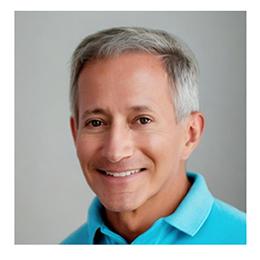
Thomas R. Guskey, PhD, is Professor Emeritus in the College of Education, University of Kentucky. He is a longtime member of Learning Forward, best known for his work on teacher change and on planning, implementing, and evaluating effective professional learning. Contact him by email at guskey@uky.edu, on X at @tguskey, or at www.tguskey.com.
CURRENT ISSUE
Recent Issues
LEARNING WITH AI
February 2026
Generative AI can be a powerful tool for professional learning design and...

WHAT STUDENTS NEED NOW
December 2025
For all students to thrive, we need to understand who they are and what...
LEARNING COMMUNITIES FOR LEADERS
October 2025
Leaders need opportunities to connect, learn, and grow with peers just as...
MAXIMIZING RESOURCES
August 2025
This issue offers advice about making the most of professional learning...