
Learning Forward Advocacy
Events are unfolding rapidly. Stay tuned to this advocacy page for the latest information.
Yesterday afternoon, the U.S. House of Representatives passed, on a vote of 217 to 214, a five bill FY 2026 Appropriations minibus that contains final FY26 funding for the Departments of Labor, HHS, Education, Transportation, HUD, State, and Defense. It does not include final FY26 funding for the Department of Homeland Security as a result of Senate Democrats forcing the Senate to remove this bill from the package over ICE’s controversial activities in Minneapolis. Instead of funding Homeland Security (which includes ICE) in this package, the bill incorporates a 10-day continuing resolution for Homeland Security that will keep it operating until February 13th.
In the final House vote, the vast majority of House Democrats voted against the final bill on the grounds that they did not want to provide even 10 days of funding to ICE without the enactment of reforms. Negotiations on reforming ICE will now begin earnest, with a very short timeframe to complete work and include them in the final FY26 Homeland Security Appropriations Bill.
The enactment of this bill ended a four-day partial government shutdown that began January 31st, when the previous continuing resolution lapsed. The final, approved minibus contains no changes to the education spending agreed to previously, leaving in place mainly level funding for K-12 programs, including Title IIA ($2.19B) and Title IVA ($1.38B).
The FY27 Appropriations process is expected to kick-off with President Trump’s presentation of his budget in the late winter or early spring.
U.S. Department of Education finalizes interagency agreements
Wide array of AI legislation introduced
Join the Learning Forward A-Team in 2025 for regular policy updates
The Learning Forward Advocacy Team is your trusted source for news and updates on federal education policy, particularly the latest news on Title II-A. Signing up for the A-Team will ensure that you receive:
- Access to the latest education policy news through email updates
- An invitation to join a monthly 30-minute Zoom call for a federal update with opportunity to get your specific questions answered (2nd Tuesday of every month at 5 p.m. ET)
- Counsel on local and state policy needs from Learning Forward’s policy team
Sign up today using this link. No advocacy experience required – just information. Stay informed. Join the A-Team today.
Learning Forward Advocacy
Powered by Title II
Communities & members
Resources
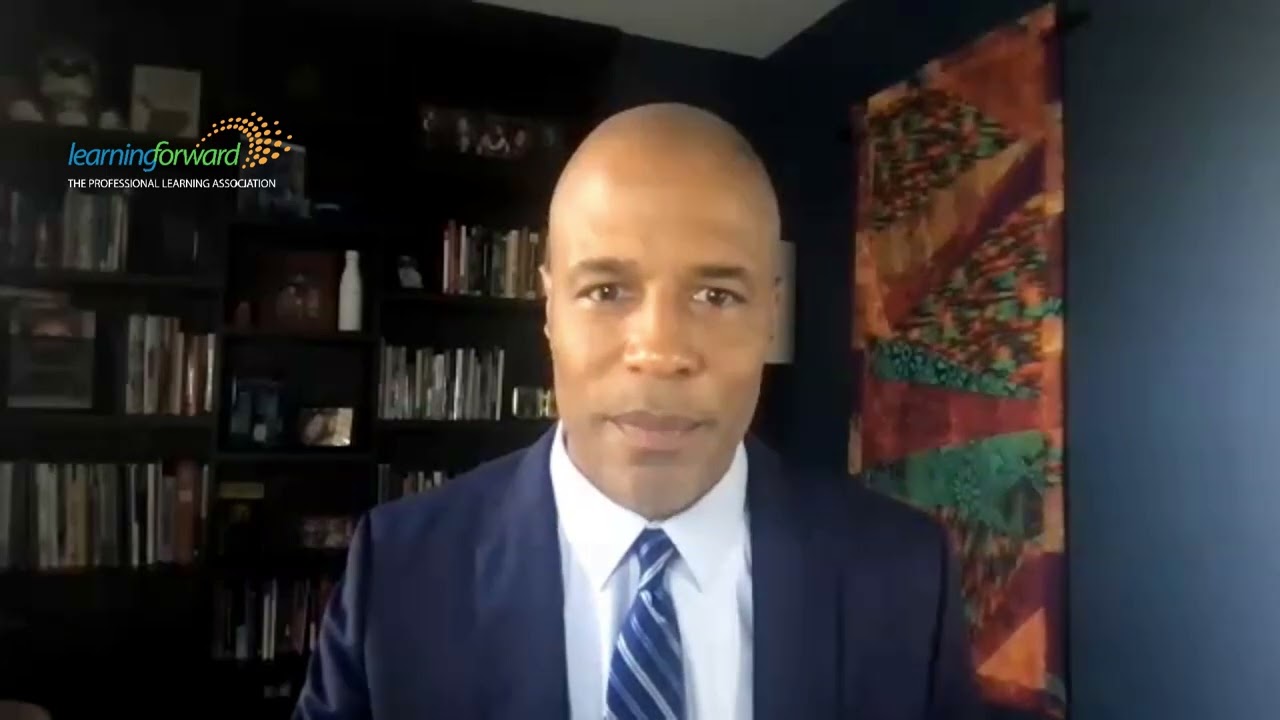
Video: How is professional learning important for students?
Call to action: Save Title II-A
Now is not the time to be complacent. We need to remain vigilant in our efforts to save Title II-A. If you are reading this message, please take a moment to send a message to your members of Congress.
Learning Forward’s Powered by Title II campaign website puts all of the information, tools, and advocacy tutorials in one easy to access online location to enable educator advocates reach their Members of Congress and help convince them to support more Title II funding. On this site, advocates will find:
- The latest news on Title II
- Background facts, stories, research, and data on Title II
- A storytelling tool to assist you in researching and explaining how Title II supports your school district
- Sample letters, talking points, tweets and more to support your advocacy
Evidence, evidence, evidence
Evidence of impact is not optional. From your ESSA plans to Title II to talking with your district superintendent, everyone wants to know when professional development is making an impact and how you know. Learning Forward is here to help. We invite you to join your peers from across the U.S. to share your successes here.
Tell us what Title II funds in your school or district, and most important, what outcomes you see as a result. Outcomes might include improved graduation rates or assessment scores, improvements for specific populations of students, or other indicators that students are experiencing more meaningful learning.
This webinar, originally created for our Virtual Advocacy Day, includes advocacy strategies and tips that are applicable to any advocacy effort. Watch to hone your skills, build confidence, and get excited about being an advocate.
ESSA Toolkits
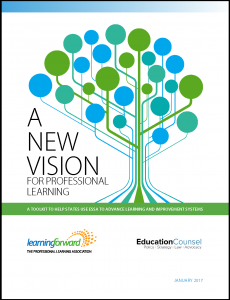 A New Vision For Professional Learning: A Toolkit to Help
States Use ESSA to Advance Learning and ImprovementSystems. This toolkit helps leaders leverage professional learning as
an essential tool in overcoming systemic inequities and guaranteeing
excellence for all.

Agents for Learning Toolkit: A Guide to Amplifying Teacher
Voice and Stakeholder Engagement. This toolkit suggests ways to cultivate teacher voice and agency in policy decisions and the implementation of professional learning.