Learning Forward
Equity and excellence in teaching and learning.

FOCUS
To improve instruction, build professional learning leaders’ capacity: ONLINE EXCLUSIVE
By Jody Bintz, Amy Belcastro, Cindy Gay, Andrea Berry, Amanda Prewitt and Stephanie Harmon
Categories: Collaboration, Instructional materials/curriculum, Leadership, Learning communitiesOctober 2025

Connecting within and across school and district boundaries helps leaders grow as professionals and make a difference within their communities, especially when leaders pursue a common initiative or problem of practice. Partnering with BSCS Science Learning (BSCS) provided just such an opportunity for district and school leaders across Kentucky and Tennessee. Together, we focused on building professional learning leaders’ capacity within the Science Teachers Learning from Lesson Analysis (STeLLA) professional learning program. In the process, we collectively built broader systems for ongoing learning and improvement. STeLLA is an intensive videocase-based program composed of classroom, professional learning, and leadership development curricula that use a framework of strategies for science teaching and learning. Developed by teams of curriculum experts, the classroom curriculum is designed to support teachers’
Read the remaining content with membership access. Join or log in below to continue.
Sed ut perspiciatis unde omnis iste natus error sit voluptatem accusantium doloremque laudantium, totam rem aperiam, eaque ipsa quae ab illo inventore veritatis et quasi architecto beatae vitae dicta sunt explicabo. Nemo enim ipsam voluptatem quia voluptas sit aspernatur aut odit aut fugit, sed quia consequuntur magni dolores eos qui ratione voluptatem sequi nesciunt. Neque porro quisquam est, qui dolorem ipsum quia dolor sit amet, consectetur, adipisci velit, sed quia non numquam eius modi tempora incidunt ut labore et dolore magnam aliquam quaerat voluptatem.
STeLLA professional learning leaders on the power of community
“This effort gave me the opportunity to strengthen our existing science leadership team and to recruit and develop new team members, giving us additional internal capacity for leading science professional learning. Beyond the classroom and district, STeLLA has fostered the development of a true statewide science leadership network. STeLLA professional learning leaders meet regularly, collaborating across districts to design and lead professional learning aligned to a common, research-based instructional framework. One of the outcomes of this collaboration has been the codevelopment of the Tennessee Instructional Practice Guide for science that serves as a practical tool for promoting high-quality instruction.” – Andrea Berry, science and STEM supervisor in Knox County Schools, Tennessee
“One of the things that sets this experience apart from other leadership programs is the attention to building a community of learners. Everyone’s ideas and experiences are honored. This creates a safe place to be vulnerable so we grow as leaders. With ongoing support, I never felt as if I was working alone. It has helped me be more thoughtful as I support classroom teachers, work with district administrators, and collaborate with other STeLLA professional learning leaders.” – Stephanie Harmon, Partnership Institute for Math and Science Education Reform teacher partner
“Just like teachers, leaders need time to learn, rehearse, reflect, and grow. And just like in the classroom, I benefited from engaging in that work in a supportive community of leaders, with structured opportunities to try out ideas and receive feedback over time. This kind of learning isn’t possible in a one-time workshop or even a series of workshops. It takes time, trust, and a strong framework that keeps everyone anchored in the same vision.” – Amanda Prewitt, elementary science consultant, Kentucky State Department of Education
References
Bintz, J. & Wickler, N.I.Z. (2020). Record, replay, reflect: Video provides the perfect vehicle for lesson analysis. The Learning Professional, 41(4), 41-45.
Learning Forward. (2025). Standards for professional learning.
Loucks-Horsley, S., Stiles, K.E., Mundry, S., Love, N., & Hewson, P.W. (2010). Designing professional development for teachers of science and mathematics (3rd ed.). Corwin.
Roth, K.J., Wilson, C.D., Taylor, J.A., Stuhlsatz, M.A.M., & Hvidsten, C. (2019). Comparing the effects of analysis-of-practice and content-based professional development on teacher and student outcomes in science. American Educational Research Journal, 56(4), 1217-1253.
Short, J.B. & Hirsh, S. (2022). Transforming teaching through curriculum-based professional learning. Corwin.
Thompson, C.L. & Zueli, J.S. (1999). The frame and the tapestry: Standards-based reform and professional development. In L. Darling-Hammond & G. Sykes (Eds.), Teaching as the learning profession: Handbook of policy and practice (pp. 354-357). Jossey-Bass.
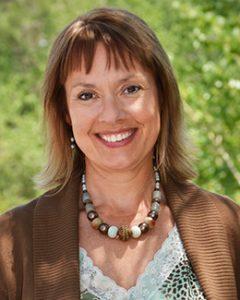
Jody Bintz is the Director of Strategic Partnerships and Director of Leadership & Capacity Building. Works primarily in the areas of leadership development and teacher professional learning. Bintz designs, studies, and leads programs to develop organizational leadership capacity, particularly as related to implementing the Next Generation Science Standards (NGSS) and the evaluation, selection, and implementation of high-quality instructional materials designed for next generation science. She co-directs the NEXUS Academy for Science Curriculum Leadership in partnership with WestEd and leads BSCS’s Science Teachers Learning from Lesson Analysis (STeLLA) teacher professional learning and leadership development program.

Amy Belcastro is a BSCS Science Educator, supporting professional learning, curriculum development, and leadership development focusing on supporting three-dimensional science teaching and learning in elementary and middle school settings. Prior to BSCS, she taught elementary school, experiencing the curiosity and joy in discovery of elementary learners.
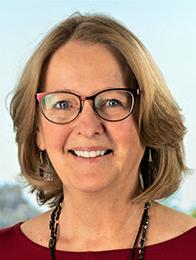
Cindy is a Senior Science Educator at BSCS Science Learning where she leads professional learning, leadership development, and curriculum development. She co-led the development and leads professional learning for BSCS Biology: Understanding for Life, a designed-for the NGSS high school biology textbook leveraging BSCS's new instructional model: Anchored Inquiry Learning. Prior to joining BSCS, Cindy was a classroom educator for 34 years and served as a district instructional coach.
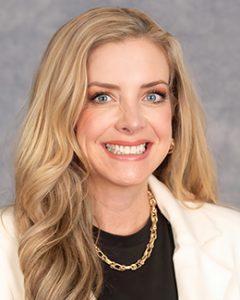
Andrea Berry is the Supervisor of Science and STEM Education for Knox County Schools in Tennessee. With 28 years of experience in public education, she has held multiple roles including classroom teacher, instructional coach, and administrator. Andrea is also the President of the Tennessee Science Leaders Association, where she works to connect and support networks of science leaders across the state. In addition to her district role, she collaborates with multiple districts and states as a professional learning specialist and is deeply committed to advancing effective science teaching and learning.

Amanda Prewitt spent 23 years in Kentucky public schools as an elementary teacher and teacher leader before joining the Kentucky Department of Education in August 2023. She now serves as the Elementary Science Program Consultant, providing expertise on the Kentucky Academic Standards for Science. In this role, she develops resources and supports schools and districts in delivering highly effective science teaching and learning.
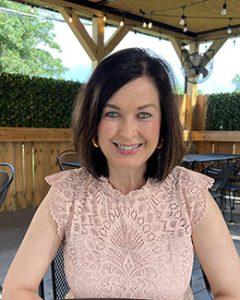
Stephanie Harmon is a science consultant with PIMSER (Partnership Institute for Math and Science Education Reform) in Kentucky. She spent 27 years in the high school classroom and was part of Kentucky’s Broad-Based Lead State Committee which reviewed and provided feedback on A Framework for K-12 Science Education and all parts of the Next Generation Science Standards. In her current role, she focuses on implementation of high-quality instructional materials, formative/summative assessments, instructional practices, and implementation of the Next Generation Science Standards.
Categories: Collaboration, Instructional materials/curriculum, Leadership, Learning communities
CURRENT ISSUE
Recent Issues
LEARNING WITH AI
February 2026
Generative AI can be a powerful tool for professional learning design and...
WHAT STUDENTS NEED NOW
December 2025
For all students to thrive, we need to understand who they are and what...
LEARNING COMMUNITIES FOR LEADERS
October 2025
Leaders need opportunities to connect, learn, and grow with peers just as...
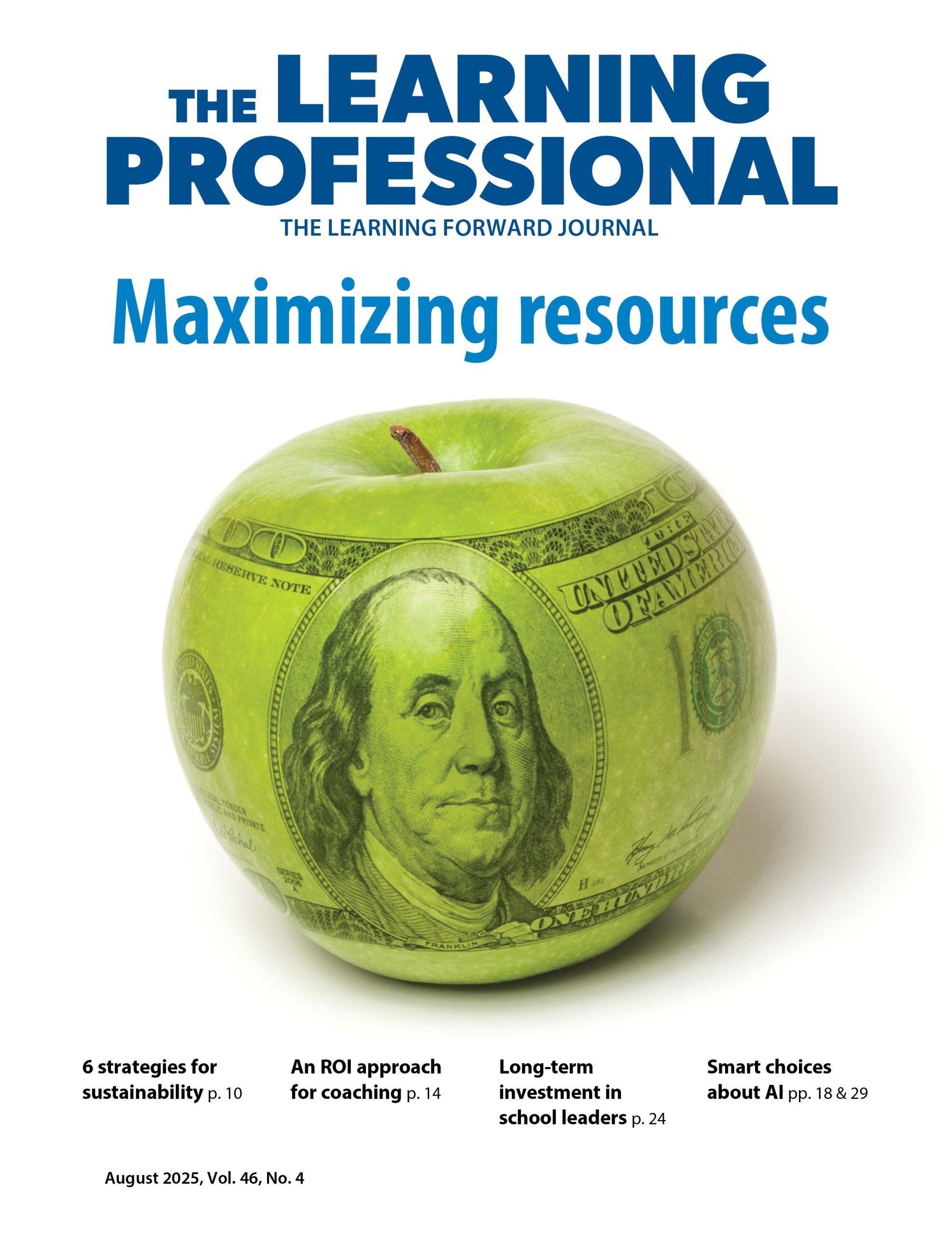
MAXIMIZING RESOURCES
August 2025
This issue offers advice about making the most of professional learning...