
Learning Forward
Equity and excellence in teaching and learning.


Read the remaining content with membership access. Join or log in below to continue.
Sed ut perspiciatis unde omnis iste natus error sit voluptatem accusantium doloremque laudantium, totam rem aperiam, eaque ipsa quae ab illo inventore veritatis et quasi architecto beatae vitae dicta sunt explicabo. Nemo enim ipsam voluptatem quia voluptas sit aspernatur aut odit aut fugit, sed quia consequuntur magni dolores eos qui ratione voluptatem sequi nesciunt. Neque porro quisquam est, qui dolorem ipsum quia dolor sit amet, consectetur, adipisci velit, sed quia non numquam eius modi tempora incidunt ut labore et dolore magnam aliquam quaerat voluptatem.
References
Elmore, R. (2003). Knowing the right thing to do: School improvement and performance- based accountability. Washington, DC: NGA Center for Best Practices.
Garmston, R. & Wellman, B. (1999). The adaptive school: A sourcebook for collaborative groups. Norwood, MA: Christopher Gordon.
Hammond-Darling, L. (2004). From “separate but equal” to “No Child Left Behind”: The collision of new standards and old inequalities. In D. Meier & G. Wood (Eds.), Many children left behind: How the No Child Left Behind Act is damaging our children and our schools. Boston: Beacon Press.
Supovitz, J. & Christman, J.B. (2003, November). Developing communities of instructional practice: Lessons from Cincinnati and Philadelphia. (CPRE Policy Briefs, RB-39).

Robert J. Garmston (fabobg@gmail.com) is an emeritus professor of education administration at California State University, Sacramento, and co-developer of Cognitive Coaching and Adaptive Schools.
CURRENT ISSUE
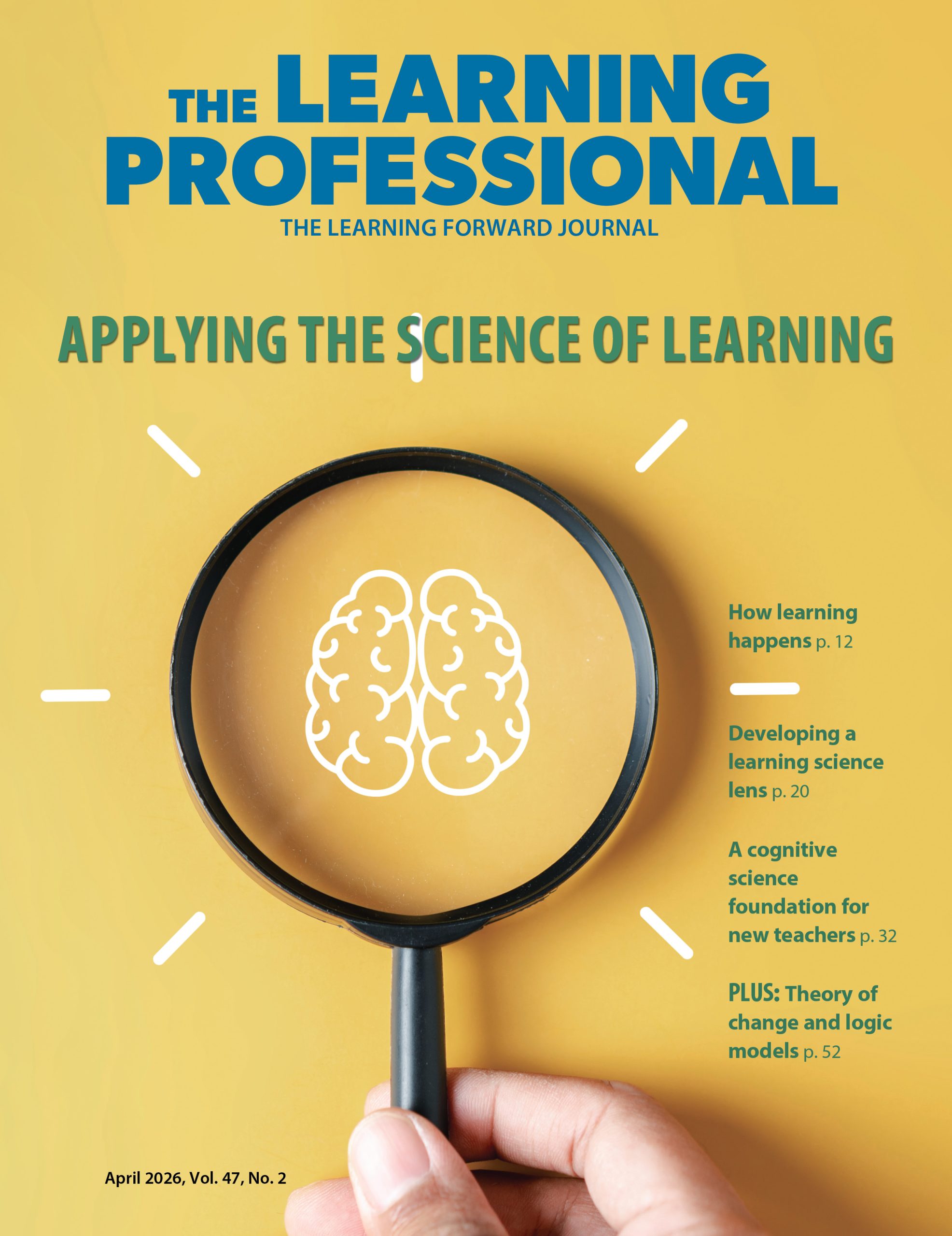
Recent Issues
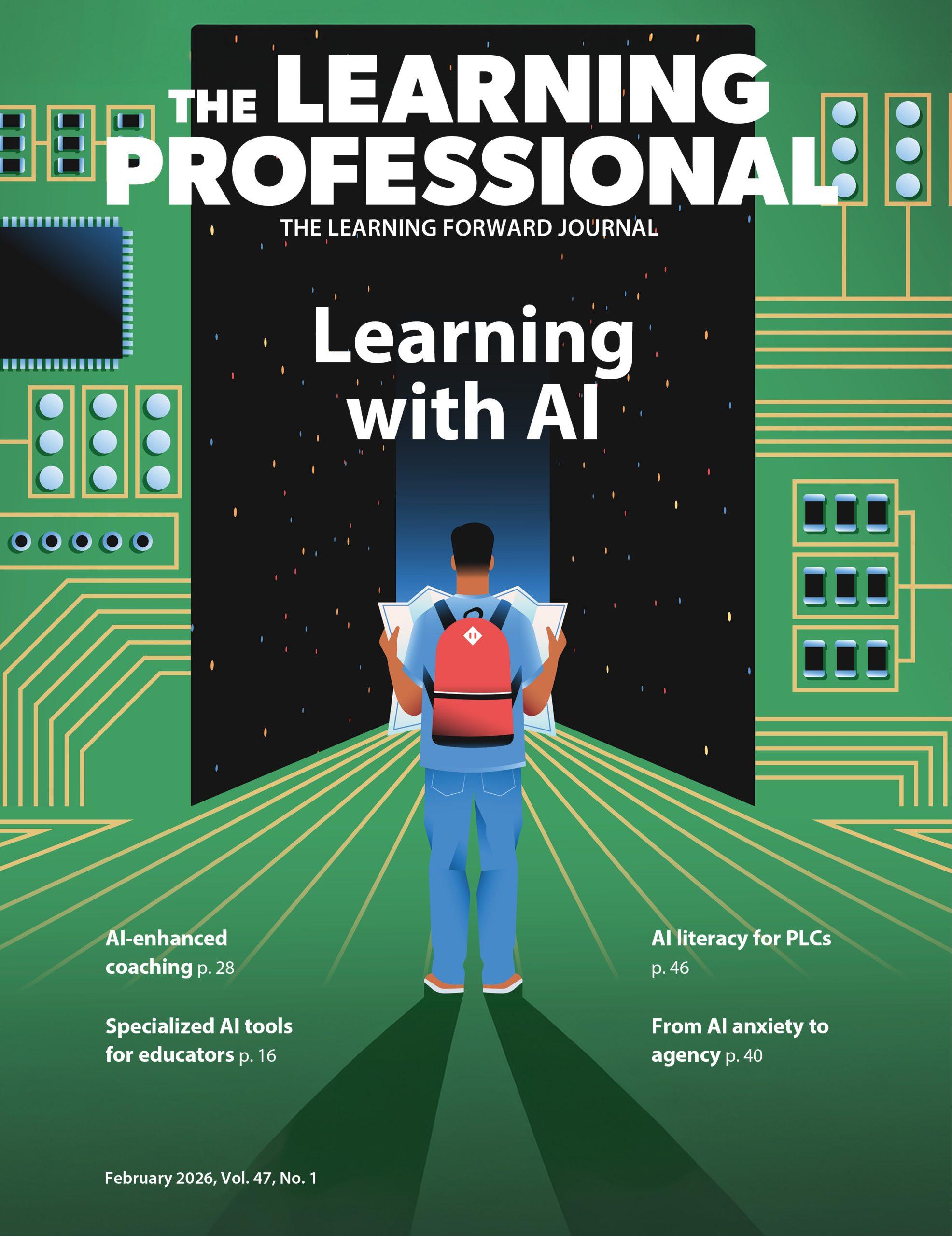
LEARNING WITH AI
February 2026
Generative AI can be a powerful tool for professional learning design and...
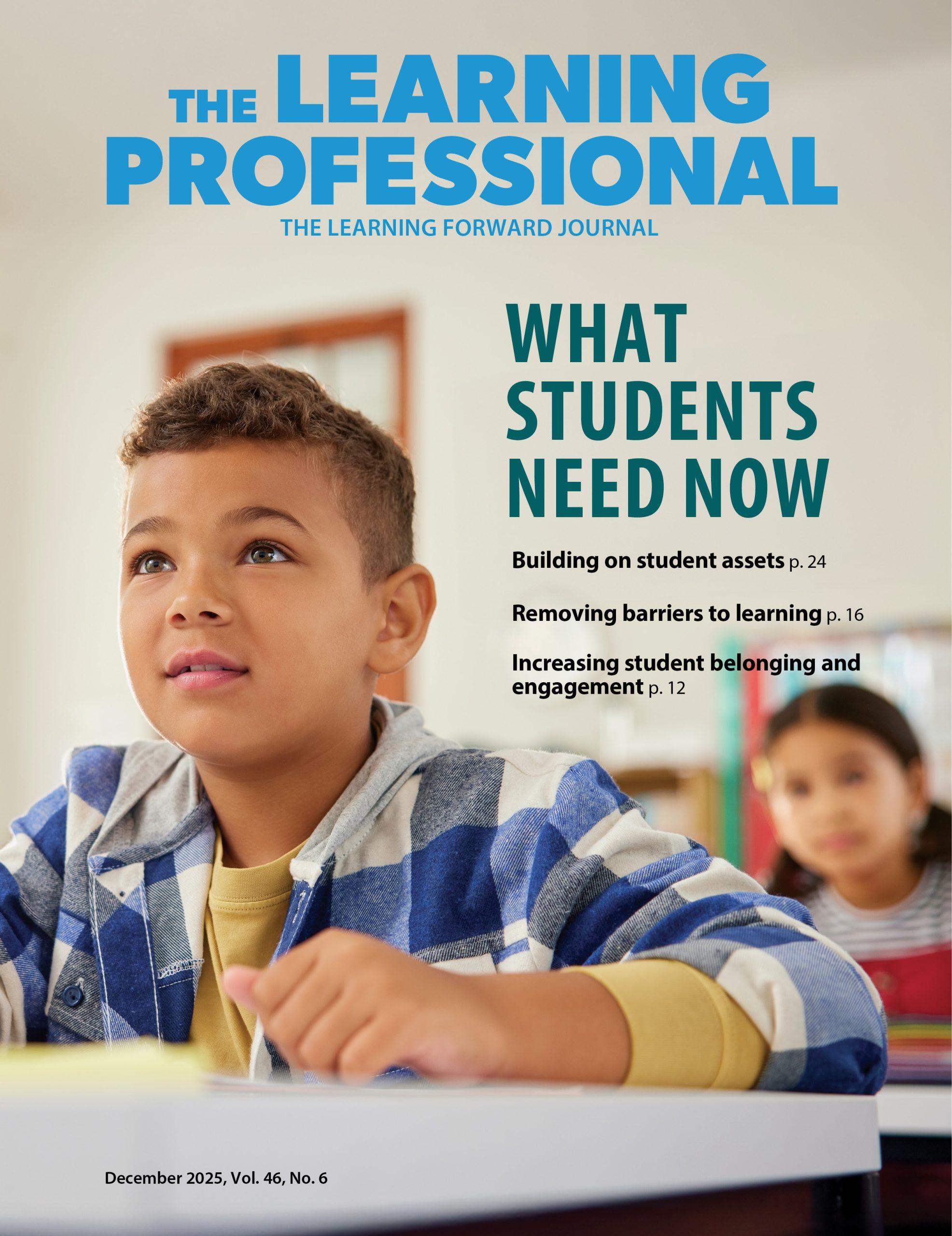
WHAT STUDENTS NEED NOW
December 2025
For all students to thrive, we need to understand who they are and what...
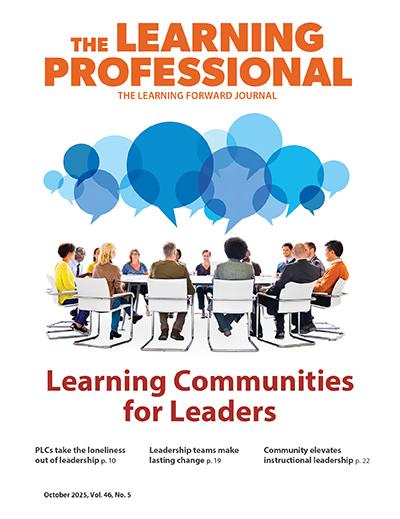
LEARNING COMMUNITIES FOR LEADERS
October 2025
Leaders need opportunities to connect, learn, and grow with peers just as...
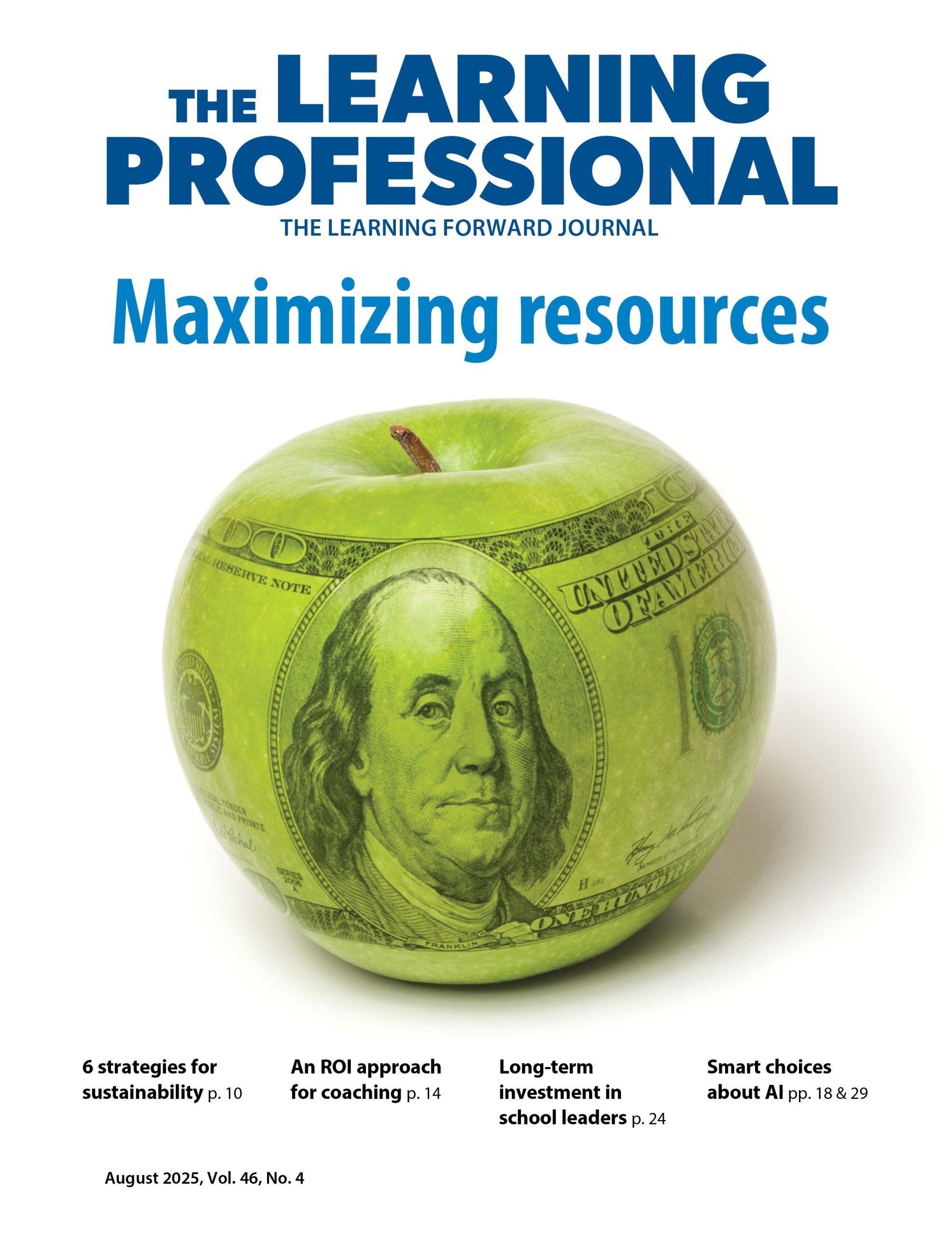
MAXIMIZING RESOURCES
August 2025
This issue offers advice about making the most of professional learning...