
We remember the start of our coaching journeys—those early days are still crystal clear. We were excited (and maybe a little nervous) stepping into this new role, eager to make a difference but also full of questions:
- Where do I start?
- How do I partner with teachers in a way that truly matters for classrooms?
- What can I do to build teacher confidence and, ultimately, support student growth?
- What are my first steps—and what, exactly, are my responsibilities?
- Where do I find resources and strategies I can actually use with teachers?
Kelly Wegley and Wanda Mangum are facilitating session PC12 | Foundational Strategies for Beginning Coaches at the Learning Forward 2025 Annual Conference on December 7, 9 a.m.-4 p.m., Eastern. Preconference sessions include a midday break. Session selection is open online.
Some answers depended on the specific contexts we were in, but as we compared notes, we started noticing important through-lines.
One big one? Clarity. Knowing what our responsibilities were—and weren’t—was essential. Coaching isn’t about doing everything all at once. Instead, we learned to navigate various coaching roles and, just as importantly, to match our approach to what teachers needed most in the moment:
- Information: “Where do I start with the new ELA curriculum? (Not everything has to be an inquiry project!)
- Collaboration: “Can you co-plan with me to bring strategies from Building a Thinking Classroom into my math lessons?”
- Reflection: “I’ve been working on building students’ metacognition. Can I talk through what I’m noticing with you?”
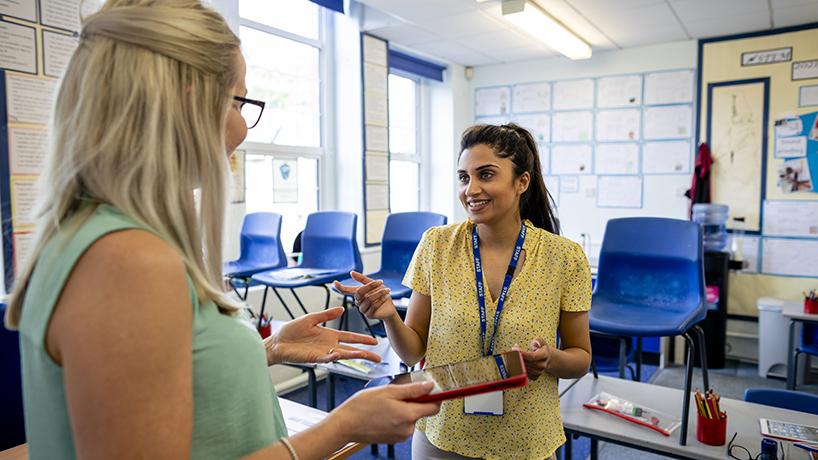
That shift—from feeling like we needed to have all the answers to focusing on meeting teachers where they were—was transformative. Coaching became less about advice-giving and more about providing the right support at the right time.
Alongside the “how” of coaching, we were also learning the “what.” At the time, Marzano’s work guided much of our thinking. Later, Hattie’s meta-analyses gave us an even clearer picture: nearly everything we try in education has some impact, but certain strategies move the needle much more than others. We leaned into those high-impact practices, knowing our time with teachers was precious.
Another game-changer was our partnership with building administrators/coaching champions. Together, we created clear agreements about our priorities, how we’d share them with staff, and how to balance confidentiality with accountability. Weekly touchpoints and coaching logs weren’t just paperwork; they gave structure to our work and credibility to the coaching role.
We also took to heart the Joyce and Showers (1987) findings: real change happens when coaches are present in classrooms. That wasn’t always easy—some teachers welcomed us in with open arms, while others were more cautious. We learned quickly that trust was everything. That meant listening deeply, asking better questions, and creating space for authentic reflection.
And we weren’t doing it alone. From day one, we relied on each other and on networks of other coaches. Those connections became our lifeline—whether we were dissecting the latest research, problem-solving a tricky situation, or just reminding each other why this work matters. Over time, our community grew beyond our districts, through local coaching networks, state and national conferences, and eventually Learning Forward’s Coaches Academy. Even now, with years of experience behind us, we know we’re still learning. Coaching evolves as schools, teachers, and students evolve—and that’s what keeps the work so energizing.